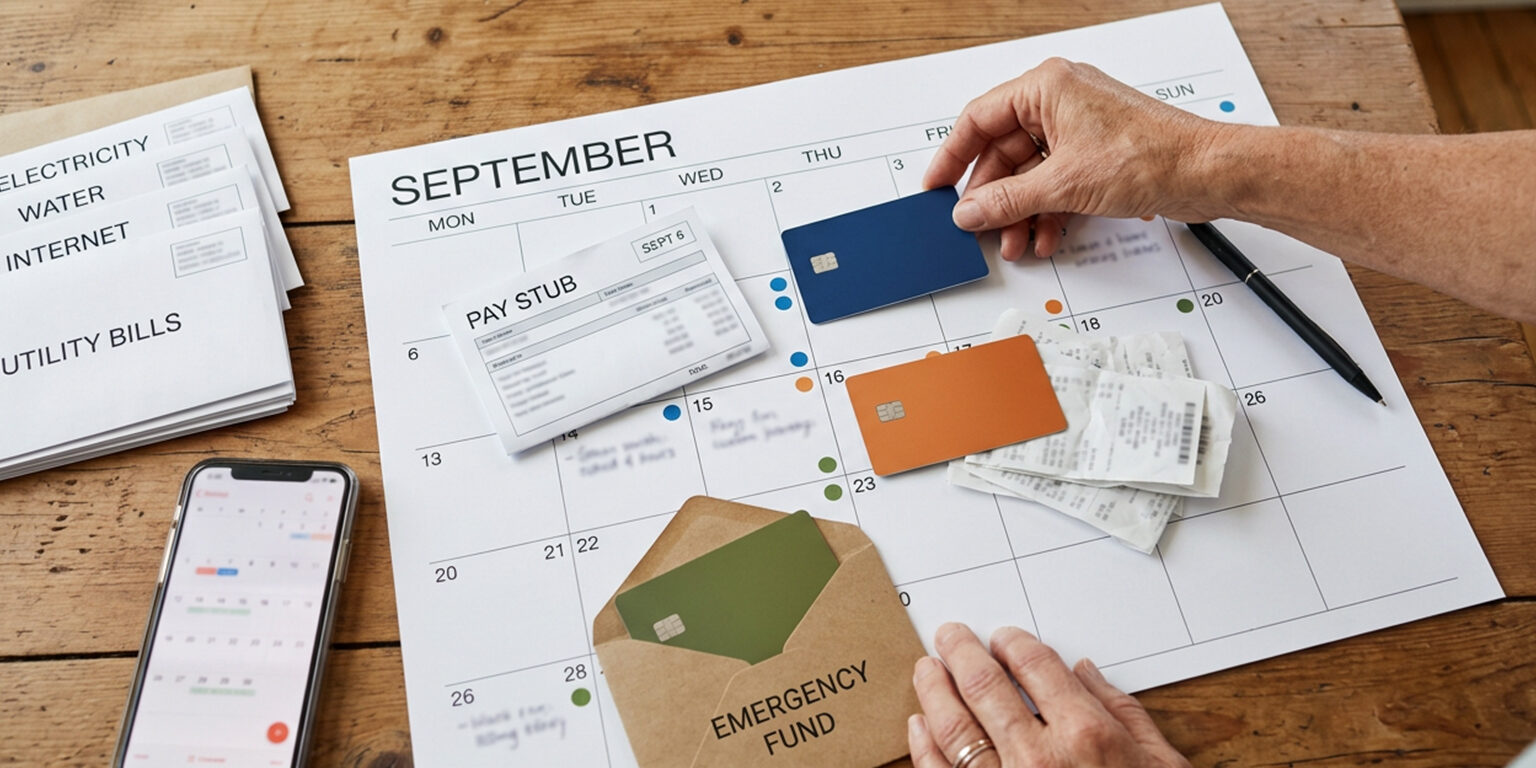
Credit cards can be useful tools when you match them to how you actually spend.
They influence cash flow, statement timing, and the short-term availability of funds.
A small, deliberate set of roles for your cards keeps rewards meaningful without creating chaos.
This piece outlines practical steps to align cards with monthly cash cycles and budget realities.
Assign clear roles to each card
Start by naming what you want each card to do: everyday purchases, travel and dining, and emergency backup are common roles. Choosing a primary card for recurring bills simplifies tracking and prevents accidental interest charges. Reserve a high-reward card for categories where you consistently spend enough to justify its perks. Keep one low-cost or no-annual-fee card for infrequent use to preserve credit history without added expense.
When every card has a purpose, decisions at checkout become faster and less error-prone. That discipline reduces stray balances and late payments that harm cash flow.
Use billing cycles and due dates to smooth cash flow
Statement dates and due dates are tools, not obstacles: align them with paydays when possible so you pay larger balances right after income arrives. Moving a card’s billing date by a few days can create a predictable runway between purchase and payment, effectively extending short-term liquidity. Avoid overscheduling multiple big payments in the same week by staggering billing cycles across your cards. Combine this timing strategy with automatic minimum payments to guard against missed due dates.
Small calendar adjustments make monthly budgeting more predictable and reduce the temptation to carry revolving balances. The goal is consistency, not optimization by a few cents.
Control costs and protect your credit
Watch annual fees, interest rates, and foreign transaction charges; a card’s rewards rarely outweigh steep ongoing costs unless you use it a lot. Keep utilization low across your accounts by spreading charges rather than piling them onto a single card, which helps preserve your score. If a card no longer fits its role, consider product changes or replacements rather than immediate closure to avoid shortening account age. Finally, review benefits yearly to ensure each card still earns its place in your wallet.
Being proactive about fees and utilization prevents slow erosion of value. Credit management is mostly about steady habits rather than dramatic moves.
Conclusion
Be intentional about which card you use for what.
Small timing and balance choices can free up monthly cash flow.
A focused card plan reduces fees and keeps rewards working for you.