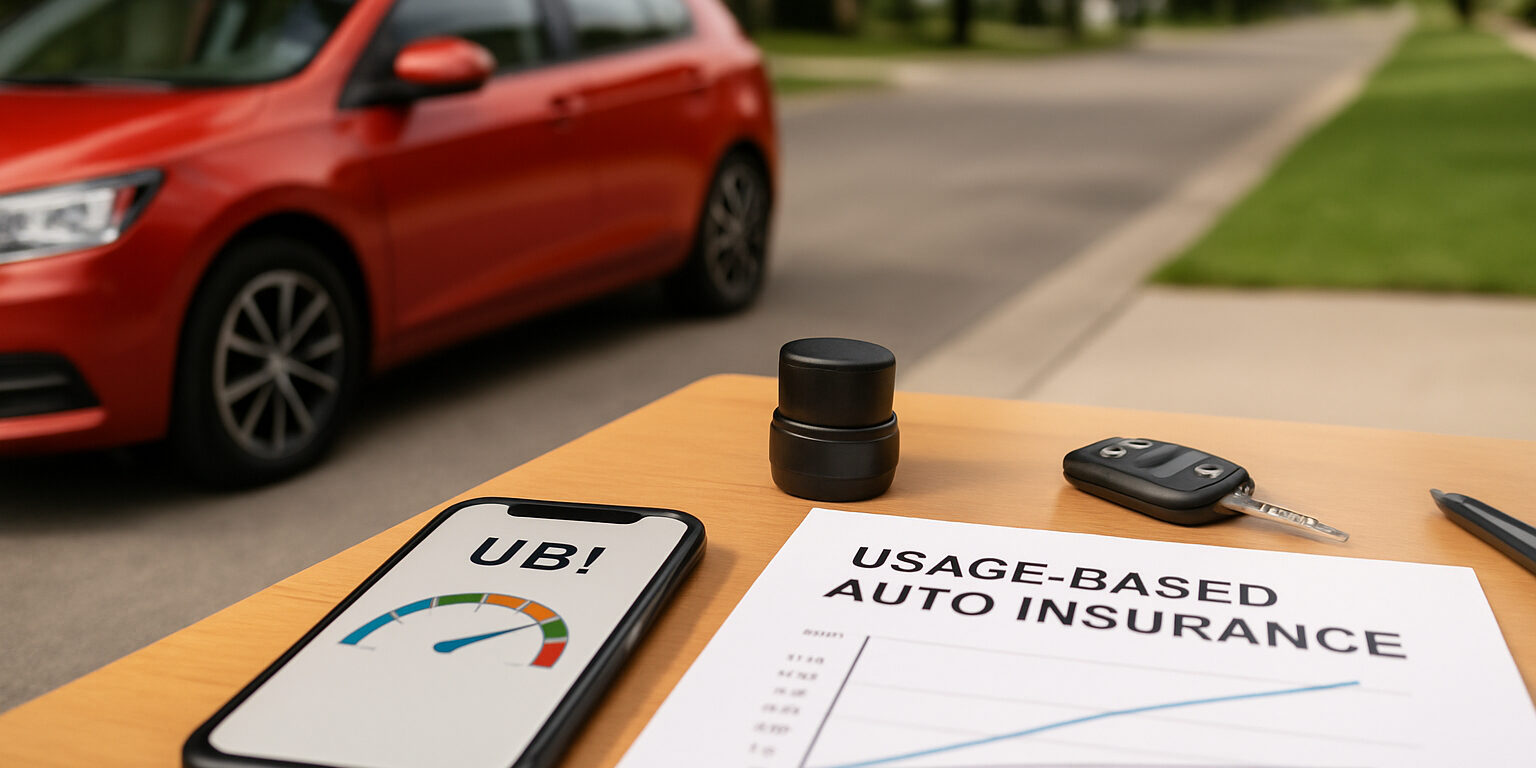
Auto insurance is undergoing a major transformation as more drivers seek coverage that reflects how they actually use their vehicles. Usage-based insurance (UBI) has emerged as one of the most innovative shifts in the industry, offering personalized pricing, greater transparency, and rewards for responsible driving. Instead of relying on broad demographic factors, UBI uses real driving data to determine premiums, making insurance more accurate and fair for consumers. As technology continues to evolve, these policies are quickly becoming the preferred model for both drivers and insurers.
How Usage-Based Insurance Works
Usage-based policies use telematics technology—such as mobile apps, plug-in devices, or built-in vehicle sensors—to track driving behavior. Data points like speed, braking patterns, mileage, and time of day help insurers understand real-world risk. This approach allows drivers who practice safe habits or drive less frequently to benefit from significantly lower premiums. By shifting from assumptions to facts, UBI creates a more precise and equitable pricing model.
Why Drivers Benefit from Personalized Pricing
One of the biggest advantages of usage-based insurance is the ability to pay based on actual behavior rather than standardized estimates. Drivers who avoid harsh braking, nighttime driving, or long daily commutes can save more compared to traditional plans. This level of personalization empowers consumers to take control of their insurance costs. For many households, especially those with multiple vehicles or remote work arrangements, UBI offers meaningful financial savings.
Encouraging Safer and More Responsible Driving
Usage-based insurance doesn’t just measure driving—it improves it. By providing feedback through mobile dashboards and apps, insurers help drivers understand how their actions affect both safety and premiums. This awareness often leads to better driving habits, fewer accidents, and reduced risk on the road. As more people adopt UBI programs, the broader impact on road safety can be significant, benefiting entire communities.
Supporting Modern Mobility Trends
With remote work, ridesharing, and flexible travel habits becoming more common, traditional insurance models no longer fit everyone’s lifestyle. Usage-based policies align perfectly with these modern mobility patterns. They allow occasional drivers, city residents, and families with shared vehicles to pay only for what they truly use. This flexibility makes UBI a natural fit for the evolving ways people get around.
How UBI Helps Insurers Innovate
For insurers, usage-based policies provide access to richer data that supports better risk assessment and long-term planning. With precise insights into driving behavior, companies can create more accurate pricing strategies, enhance customer satisfaction, and reduce fraudulent claims. UBI also positions insurers to adopt future technologies, including AI-powered predictions and connected-vehicle ecosystems.
Conclusion
Usage-based policies represent a major step forward for the auto insurance industry. By offering personalized pricing, encouraging safer habits, and adapting to modern driving lifestyles, they create a more fair and flexible system for everyone. As technology continues to advance, UBI will play an increasingly central role in shaping the future of auto insurance.