Improving your credit doesn’t require dramatic changes or expensive services. Small, repeatable weekly actions compound into clearer reports and a steadier score. This piece lays out focused moves you can do in short sessions each week. Stick with them for months and the results will show.
Set a concise weekly credit check
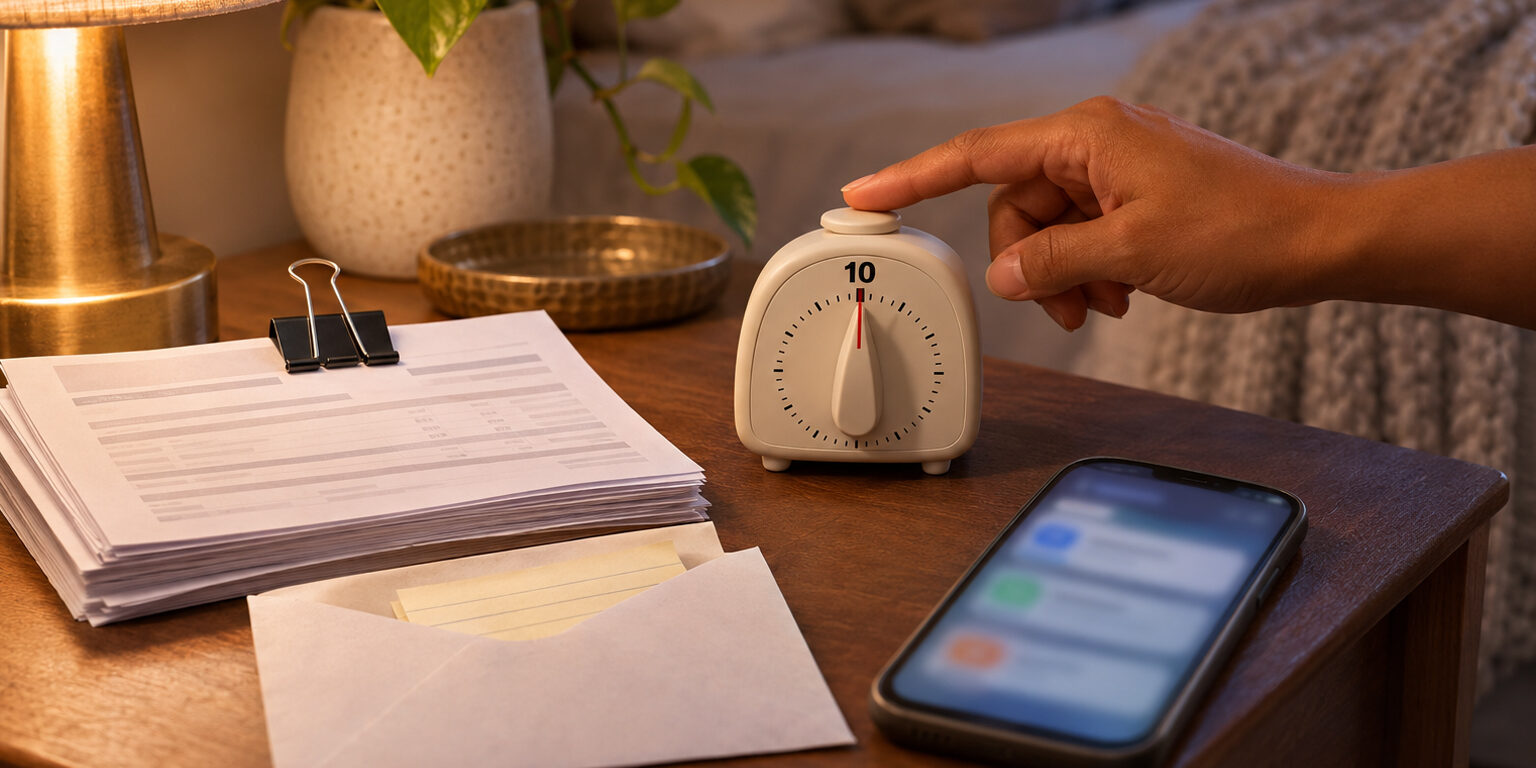
Choose one reliable time each week to review your credit activity and statements. Look at recent transactions, upcoming payments, and any unfamiliar accounts or inquiries. A quick check reduces the chance that an unnoticed error or unexpected balance spikes will harm your utilization or trigger a late payment. Make this review a five- to ten-minute habit so it stays manageable.
Over time, these short checks catch problems early and build confidence. You’ll also form a pattern for catching identity issues or billing mistakes sooner than you would otherwise.
Manage balances and payment timing
High credit utilization is a common, fixable drag on scores; weekly moves can control it. If possible, make mid-cycle payments to lower reported balances before the statement posts rather than waiting for the due date. Prioritize cards where the balance is nearest to the credit limit and shift larger purchases to cards with lower utilization.
- Pay down one card a little each week.
- Set up a small automatic transfer timed before statement closing.
- Use alerts to avoid surprise spikes.
These steps reduce utilization and show consistent, responsible use — both of which help scoring models reward you over time.
Limit new credit and correct errors promptly
Applying for new accounts frequently can hurt your profile through hard inquiries and reduced average account age. Reserve new applications for clearly needed items and track when inquiries appear. If errors or unfamiliar accounts show up during your weekly check, contact the creditor and the reporting agency right away to dispute and document the issue.
Quick action on disputes keeps negative impacts short and often prevents longer-term damage. Staying conservative about new credit keeps your report cleaner and more predictable.
Conclusion
Small, steady weekly habits keep your credit profile accurate and under control. A brief routine that balances checks, timely payments, and cautious account management pays off. Start with ten minutes a week and build from there.