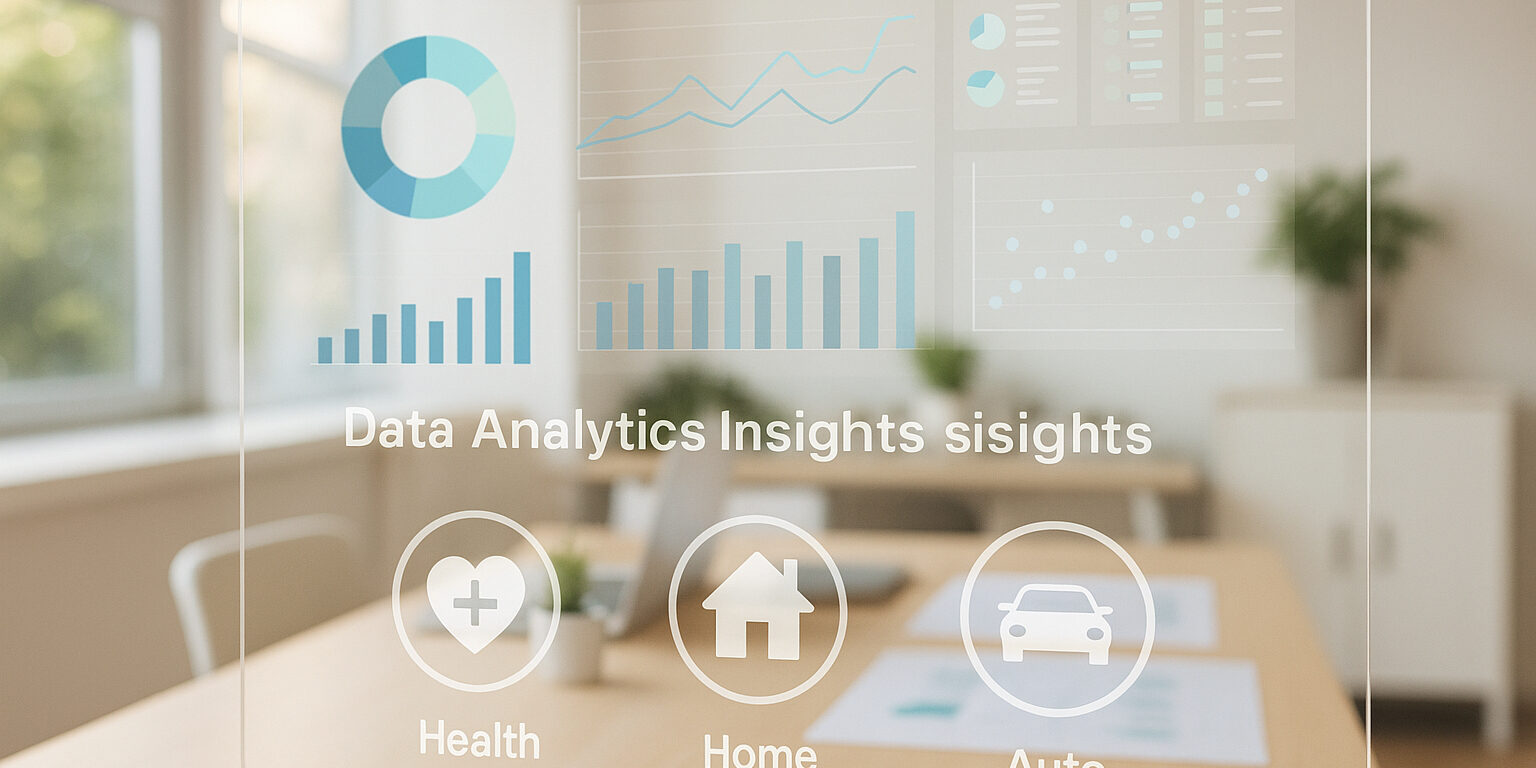
Big data is redefining how insurance companies understand risk, set premiums, and deliver customer-focused services. Instead of relying solely on broad demographic categories, insurers can now analyze vast amounts of individualized data to create tailored plans that better reflect a person’s lifestyle, behavior, and needs. This shift toward personalization not only improves customer satisfaction but also helps insurers manage risks more accurately and efficiently. As big data becomes integral to the industry, personalized insurance is emerging as the new standard.
Using Data to Understand Individual Risk Profiles
Traditional insurance models often group consumers into broad categories, leading to generalized pricing. Big data allows insurers to move beyond these assumptions by evaluating detailed information such as driving behavior, health metrics, home sensors, or purchase patterns. These insights help insurers understand each customer’s unique risk level. For example, telematics devices can track driving speed and braking habits, enabling auto insurers to offer customized premiums based on real behavior rather than averages.
Enhancing Accuracy in Premium Setting
With access to deeper insights, insurers can set premiums more accurately and fairly. Customers with safer habits or healthier lifestyles can benefit from lower rates, while riskier behavior can be priced accordingly. This personalized approach not only increases transparency but also encourages healthier or safer choices. By aligning pricing with real-life patterns, insurers build stronger trust and engagement with their customers.
Improving Claims Management with Predictive Analytics
Big data also enhances the claims process by allowing insurers to detect patterns, predict potential risks, and streamline decision-making. Predictive analytics can identify fraudulent claims more quickly or estimate claim severity with greater precision. This accelerates processing times and reduces operational costs. Faster, more reliable claims experiences contribute to overall customer satisfaction, making the personalized model even more appealing.
Supporting Tailored Insurance Products
As customer expectations shift toward personalization, big data helps insurers create products designed for specific needs. Health insurers can tailor wellness programs based on activity data. Home insurers can offer smart-home-based discounts. Travel insurance can be dynamically priced depending on destinations, frequency, or trip duration. The ability to customize offerings strengthens customer relationships and allows insurers to differentiate themselves in a competitive market.
Conclusion
Big data is transforming the insurance industry by enabling personalized plans that are more accurate, fair, and customer-centric. By analyzing individual behavior and leveraging predictive analytics, insurers can offer tailored premiums, better risk management, and enhanced claims processing. As data-driven personalization continues to expand, big data will remain at the forefront of delivering smarter, more responsive insurance solutions.