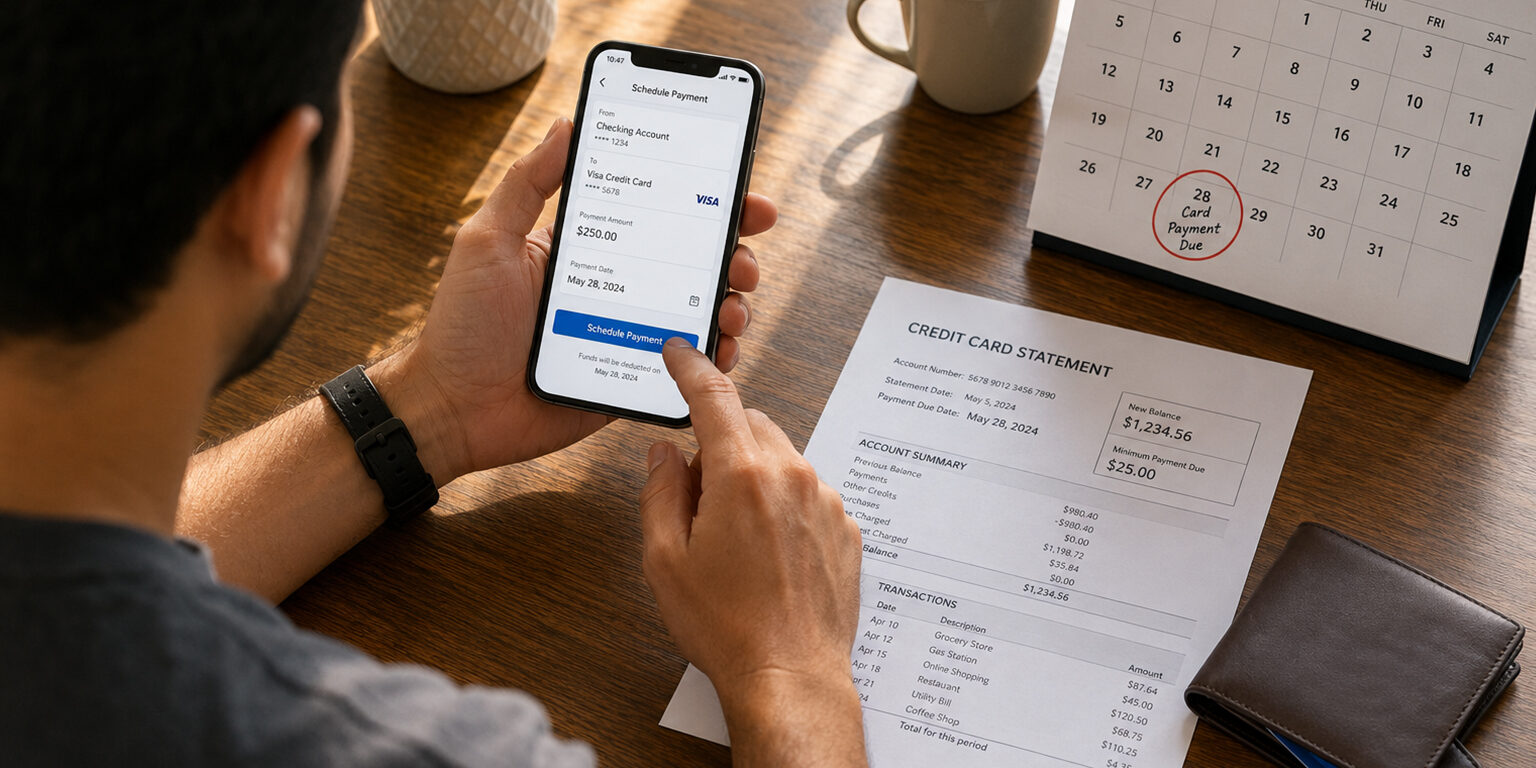
Improving a credit score is the result of consistent, intentional financial behavior. Small, repeatable actions compound over weeks and months to shape your profile. Understanding core drivers and focusing on practical routines helps realistic progress. This article lays out daily and periodic steps you can adopt with minimal disruption.
Adopting these habits does not require drastic lifestyle changes or specialist tools. Instead, regular attention and smart choices create measurable improvement over time.
Understand the Components of Your Score
A credit score reflects payment history, amounts owed, account age, new credit, and mix. Payment history and utilization typically carry the most weight in scoring models. Knowing which elements respond quickly and which take longer guides priority actions. Focus first on timely payments and lowering balances where they influence your score most.
Clarifying these drivers helps set achievable short and medium term goals. It also reduces worry by highlighting where effort will produce the largest returns.
Prioritize On-time Payments
Timely payments are the single most impactful habit for steady score improvement. Set automated transfers or calendar reminders to avoid missed or late payments. Even small, consistent payments on revolving accounts keep your history positive. If a payment will be late, communicate with your creditor to explore accommodations.
Building a reliable payment routine stabilizes your profile and reduces volatility. Over months, those on-time entries collectively lift your score and borrowing options.
Manage Credit Utilization and Accounts
Credit utilization measures how much revolving credit you use relative to limits. Targeting utilization below a conservative threshold helps demonstrate responsible borrowing. That can mean paying mid-cycle, requesting higher limits, or spreading balances. Closing old accounts can sometimes harm average age, so weigh decisions carefully.
- Pay balances before statement closing dates.
- Request credit limit increases selectively.
- Avoid closing long-held credit cards without benefit.
Combining thoughtful balance management with selective account maintenance supports steady gains. Small adjustments frequently yield clearer improvements than abrupt account changes.
Monitor Regularly and Dispute Errors
Regular monitoring uncovers errors, identity issues, or unexpected changes in accounts. Check reports at least quarterly and set alerts for major account actions. If you spot inaccuracies, gather documentation and file a dispute promptly. Resolving mistakes can restore points that were unfairly lost and protect your profile.
Monitoring also reinforces awareness and encourages habits that prevent future problems. Make it a routine task so corrections happen quickly and deliberately.
Conclusion
Consistent attention to payments, utilization, and monitoring delivers sustainable credit improvement. Adopt small daily steps, review periodically, and adjust strategies as your situation evolves. Over time, these practices build a stronger, more resilient credit profile.