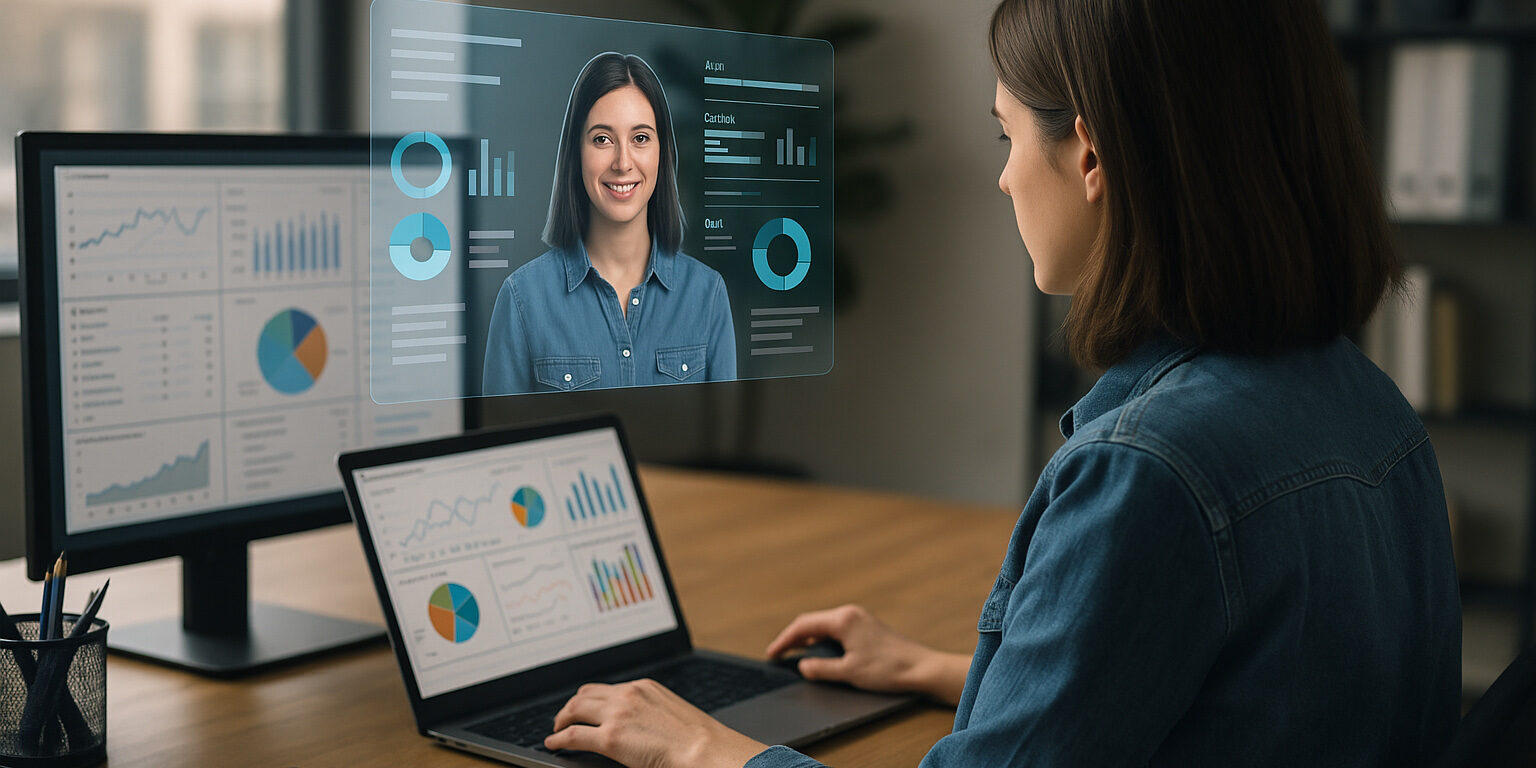
Marketing is becoming more precise, predictive, and personalized than ever before. At the center of this shift is the concept of the customer digital twin—a virtual replica of a real consumer built from data, behavior patterns, and predictive analytics. This digital model helps brands understand customer needs in real time, anticipate future actions, and create marketing strategies that feel personal, relevant, and intuitive.
Understanding the Customer Digital Twin
A customer digital twin uses data from browsing behavior, purchase history, preferences, app interactions, and real-time activity to build an intelligent profile. Instead of relying solely on demographic assumptions, businesses can simulate how a customer might react to new products, pricing changes, or messaging. This dynamic model becomes more accurate as new information flows in, making marketing more responsive and predictive.
Smarter Segmentation and Personalization
Traditional segmentation groups customers by broad categories. A digital twin goes further by capturing detailed patterns of behavior. Brands can test campaigns virtually, tailor recommendations with precision, and send messages at the ideal moment. This helps companies deliver highly relevant experiences—from personalized product suggestions to targeted loyalty offers—that feel genuinely aligned with customer interests.
Predicting Customer Behavior
One of the biggest advantages of digital twin technology is its predictive capability. By analyzing patterns, brands can forecast needs before customers express them. Whether it’s identifying when someone may churn, anticipating what they’ll buy next, or understanding what motivates engagement, these insights help marketers act faster and smarter. It allows for proactive retention strategies and better customer lifetime value management.
Enhancing Product and Experience Design
Digital twins aren’t just tools for marketing—they also guide product design and service improvement. By running simulations, companies can see how customers will interact with features, pricing tiers, or service changes. This reduces guesswork and speeds up innovation by using data-driven insights rather than trial-and-error.
Conclusion
Customer digital twins are reshaping the future of marketing by transforming raw data into meaningful predictions and personalized experiences. With a virtual customer model that evolves continuously, brands can make smarter decisions, strengthen loyalty, and design strategies that meet customer needs before they arise. It’s a powerful shift that brings marketing closer to each individual—one digital twin at a time.