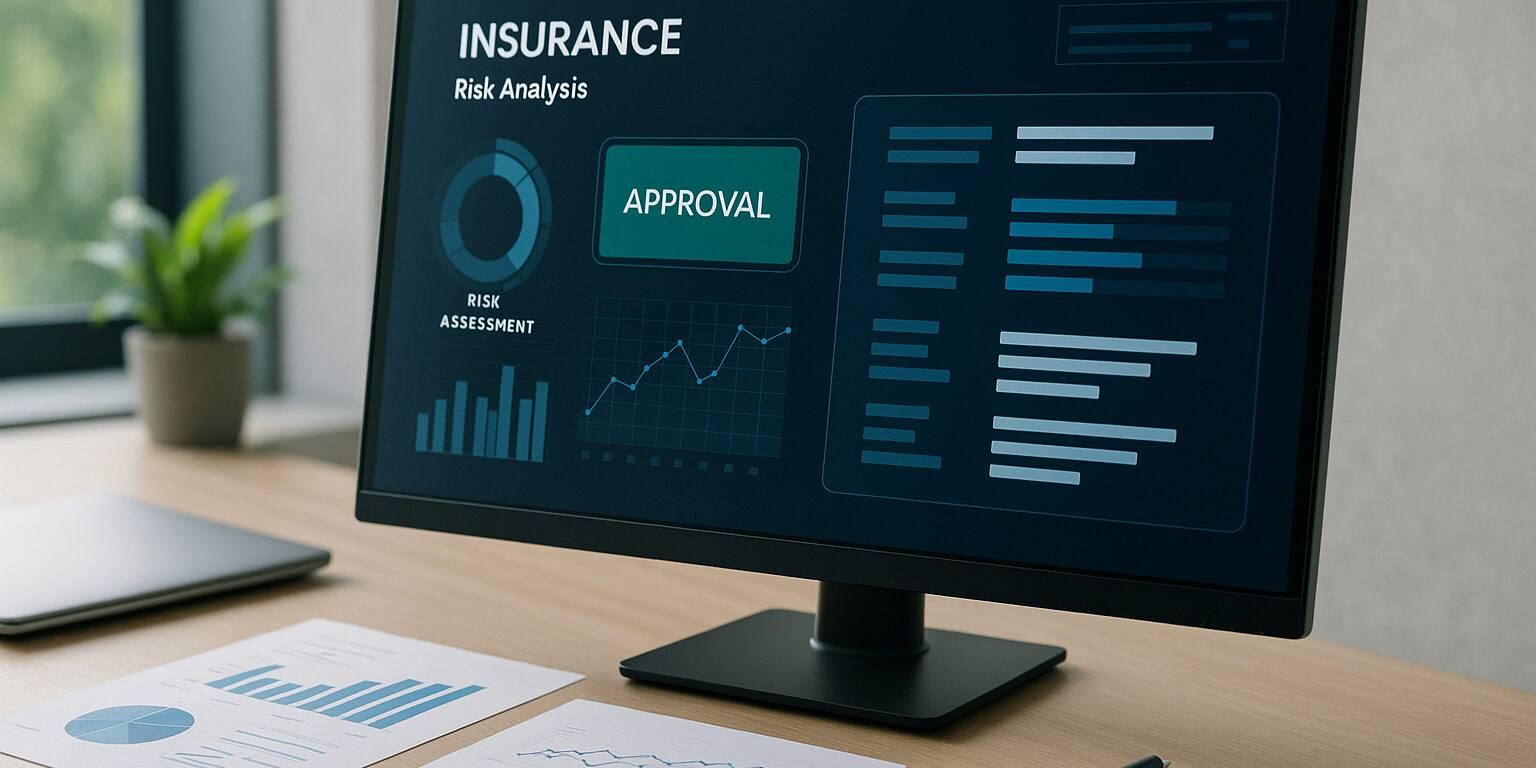
AI-powered underwriting is transforming the insurance industry by replacing slow, manual evaluations with fast, data-driven decision-making. Traditional underwriting often requires extensive paperwork, back-and-forth communication, and lengthy risk assessments. In contrast, AI tools analyze applicant information in seconds, reducing delays and improving accuracy. This shift not only enhances efficiency for insurers but also creates a smoother, faster experience for customers seeking coverage.
Automating Complex Risk Evaluations
AI systems can quickly process large amounts of data — medical records, financial information, lifestyle factors, and more. Instead of relying solely on manual review, algorithms identify risk patterns and assess eligibility with impressive precision. This automation reduces human error, minimizes inconsistencies, and ensures that each applicant receives a fair and objective evaluation. The result is faster turnaround times without sacrificing accuracy.
Enhancing Customer Experience with Instant Insights
Long waiting periods often frustrate applicants, especially when they need coverage quickly. AI underwriting shortens approval times from days or weeks to minutes by using predictive models and machine learning to evaluate key health and financial indicators. Customers receive faster decisions, clearer explanations, and a more seamless application process. This level of transparency and speed boosts satisfaction and makes insurers more competitive in a digital-first world.
Reducing Administrative Costs and Bottlenecks
Manual underwriting requires significant labor, documentation handling, and communication between departments. AI reduces these bottlenecks by automating repetitive tasks and identifying which cases require human review. As a result, underwriters can focus on complex applications while AI handles routine ones. This efficiency lowers operational costs and increases productivity across the organization.
Improving Fraud Detection and Data Accuracy
AI tools excel at identifying inconsistencies or anomalies in application data that may indicate fraud or errors. By comparing information across multiple sources, AI ensures that underwriting decisions are based on accurate, verified inputs. This protective layer reduces risk for insurers and builds greater trust in the underwriting process.
Conclusion
AI-powered underwriting is speeding up policy approvals by automating risk assessments, streamlining workflows, and enhancing data accuracy. With faster decisions, reduced costs, and improved customer experiences, AI is redefining how insurance companies operate. As these systems continue to evolve, policy approvals will become even more efficient, personalized, and accessible.