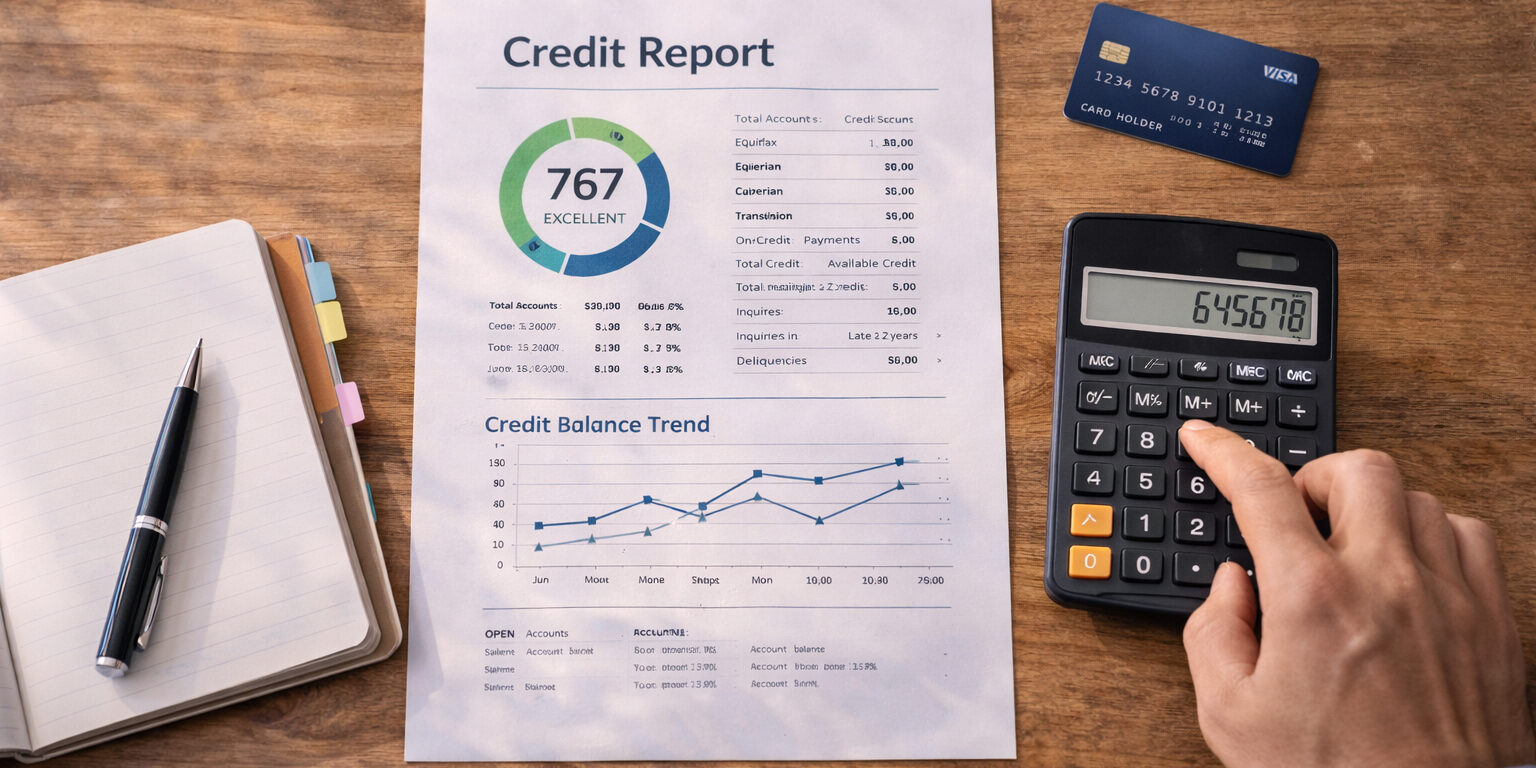
A healthy credit score opens doors to better borrowing terms and financial flexibility.
Understanding how scores are calculated helps you prioritize changes that have the biggest impact.
This article outlines practical, sustainable steps to strengthen your standing over time.
Focus on predictable actions rather than quick fixes to build long-term credit resilience.
Understanding the components of your credit score
Credit scores are numerical summaries of credit risk, derived from several common factors. Payment history typically carries the most weight, reflecting whether accounts are paid on time. Credit utilization compares the balances you carry relative to available credit and rewards lower usage. Length of credit history, types of credit, and recent inquiries also influence the overall score. By knowing which components matter most, you can target efforts where they will improve your score most efficiently rather than spreading attention thinly across all areas.
Practical actions that move the needle
Start by making timely payments a consistent habit; even a single late payment can lower a score substantially. Lowering credit utilization is another high-impact move: aim to keep balances well below assigned limits and, when feasible, pay statements in full. If you have few accounts, establishing a small, well-managed loan or credit line can improve mix and history length over time. Avoid opening many new accounts in a short period, since multiple recent inquiries can signal increased risk. For balances that feel unmanageable, consider negotiating repayment plans or targeted balance transfers, but evaluate fees and terms before proceeding.
Monitoring progress and avoiding setbacks
Regular monitoring helps catch errors and identity-theft early; review credit reports at scheduled intervals and dispute inaccuracies promptly. Set up alerts for due dates and significant balance changes to prevent accidental delinquencies. When you see improvement, reinforce behaviors that led to it—consistency matters more than occasional large payments. Be cautious with co-signing or joint accounts, since another party’s behavior can affect your score. If you experience a temporary setback, create a realistic plan to rebuild, focusing on on-time payments and gradual reduction of outstanding balances.
Conclusion
Improving a credit score is a gradual process driven by consistent financial habits.
Target payment reliability and credit utilization first, and monitor for errors or fraud.
With patience and a clear plan, measurable improvement is achievable over months and years.