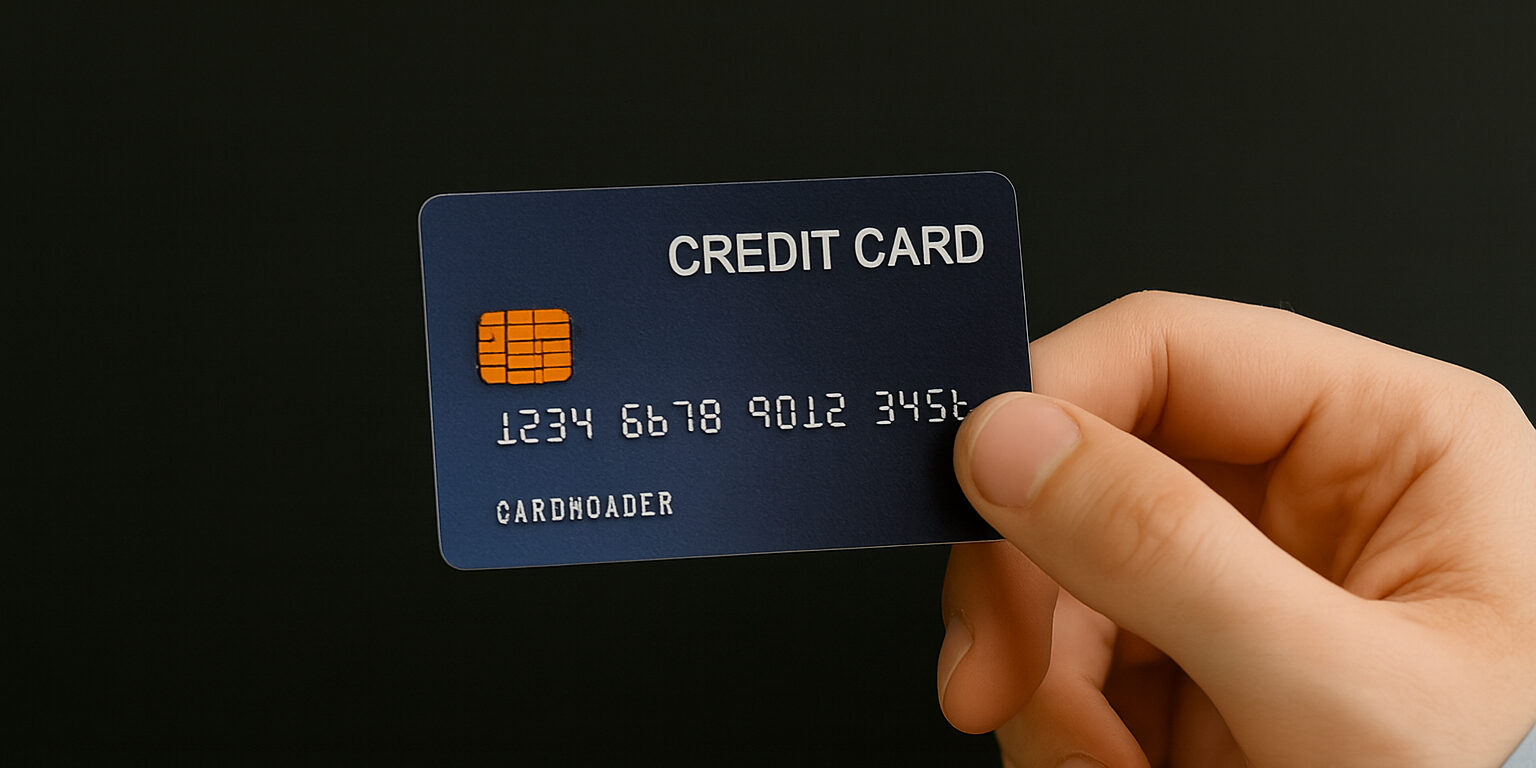
In today’s digital payment landscape, credit card security has become more crucial than ever. EMV chip technology—short for Europay, Mastercard, and Visa—has transformed how transactions are processed and protected. Replacing traditional magnetic stripe cards, EMV chips add an advanced layer of encryption that significantly reduces fraud risk. Understanding how EMV technology works can help you make safer and smarter financial transactions every day.
1. What Is EMV Chip Technology?
EMV chip technology refers to the small, square metallic chip embedded in modern credit and debit cards. Unlike the magnetic stripe that stores static information, the EMV chip generates a unique, encrypted code for every transaction. This makes it nearly impossible for fraudsters to clone or reuse card data, offering much stronger protection against counterfeit fraud.
2. How EMV Transactions Work
When you insert or “dip” your EMV card into a payment terminal, the chip communicates directly with the merchant’s system to verify the transaction. It creates a one-time authentication code that’s valid only for that specific purchase. Even if hackers intercept the data, it becomes useless for future transactions. This dynamic verification process ensures higher security and reduces the risk of unauthorized charges.
3. Benefits of EMV Chip Cards
The primary advantage of EMV technology is enhanced security. Countries that have widely adopted EMV systems have seen a significant decline in card-present fraud. In addition to security, EMV chips also support contactless payments, making transactions faster and more convenient. Moreover, EMV cards are globally accepted, making them ideal for international travelers.
4. EMV vs. Magnetic Stripe: What’s the Difference?
Magnetic stripe cards store unchanging information, making them easy targets for skimming and duplication. EMV chips, by contrast, store encrypted data that constantly changes. Even if a hacker obtains your card number, the transaction-specific code cannot be reused. This evolution from static to dynamic authentication represents a major leap in payment security.
5. Future of EMV Technology
As digital payments evolve, EMV chips are being integrated with mobile wallets, biometric authentication, and tokenization technologies. This convergence will make transactions not only more secure but also more seamless across digital and physical platforms.
Conclusion
EMV chip technology has set a new standard for credit card security by combining encryption, authentication, and global interoperability. By understanding how it works and ensuring your card uses this technology, you can better protect yourself against fraud while enjoying faster, safer transactions. In a world of digital payments, EMV isn’t just innovation—it’s your frontline defense.