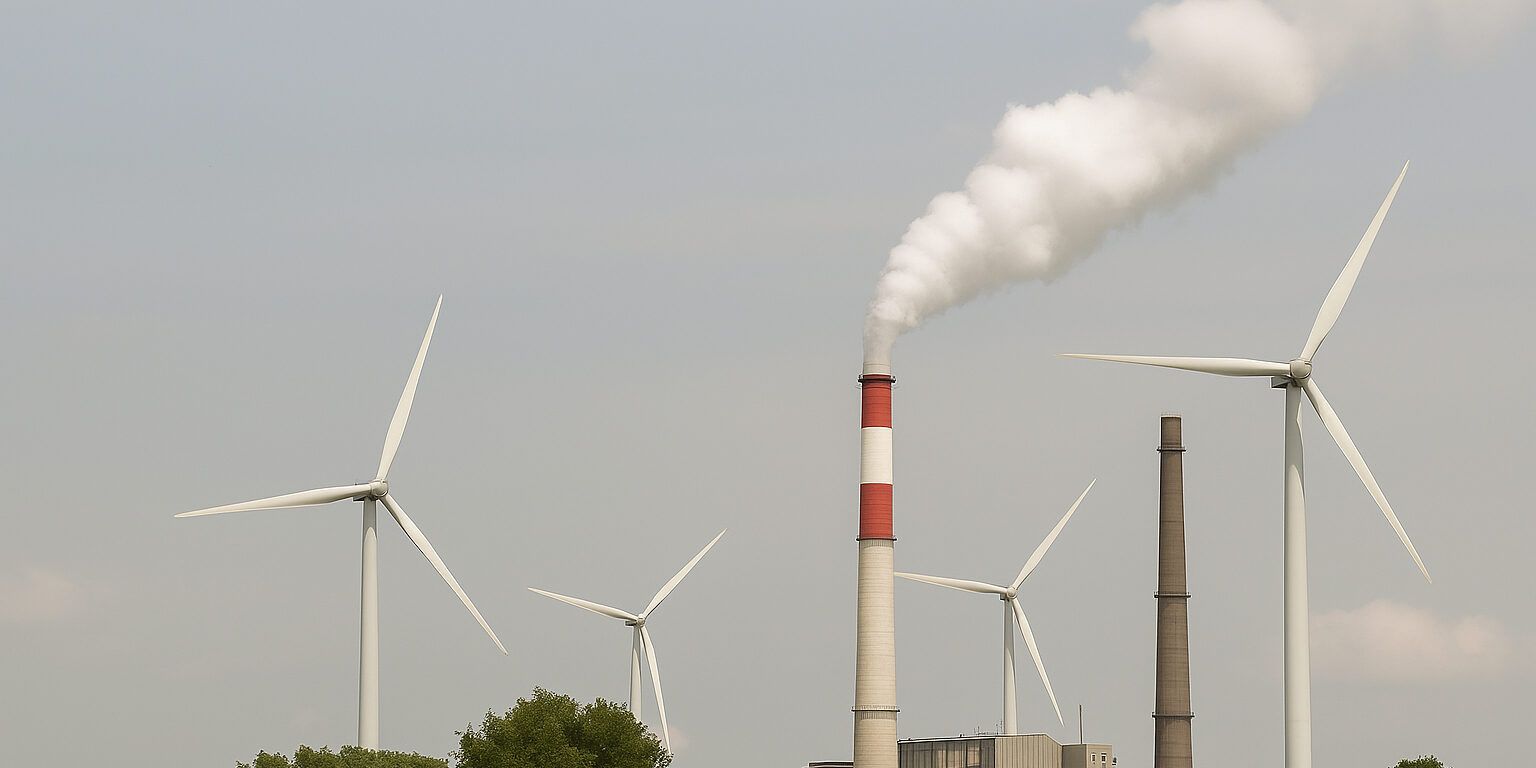
As climate change intensifies, businesses of all sizes face new challenges that go beyond environmental responsibility. Extreme weather events, shifting regulations, and resource disruptions can directly impact operations, supply chains, and financial stability. Preparing for climate risks isn’t just about sustainability—it’s about resilience and long-term survival. By planning strategically, businesses can protect assets, maintain continuity, and even uncover opportunities for innovation and growth.
1. Understand the Climate Risks Relevant to Your Business
Every industry faces unique climate challenges. For manufacturers, supply chain disruptions due to floods or heatwaves can cause major setbacks. For service-based businesses, energy disruptions or transportation issues may be the main threat. Conduct a thorough risk assessment to identify potential vulnerabilities across operations, suppliers, and markets.
2. Develop a Climate-Resilient Strategy
A strong resilience plan includes both preventive and adaptive measures. Preventive actions might involve reinforcing physical infrastructure or improving energy efficiency. Adaptive measures include diversifying suppliers, digitizing operations, and developing flexible business models. Regular scenario planning helps anticipate future risks and ensures preparedness for unexpected disruptions.
3. Integrate Sustainability into Core Operations
Sustainability should be embedded in every business decision. Reducing carbon emissions, conserving energy, and minimizing waste not only mitigate climate risks but also lower costs in the long term. Implementing green technologies and sustainable sourcing practices enhances both resilience and brand reputation.
4. Collaborate with Stakeholders
Climate resilience is not a solo effort. Partnering with suppliers, investors, and local communities strengthens overall preparedness. Encourage transparency and collaboration in risk management, and share data to build a more resilient value chain. Engaging employees in sustainability initiatives also fosters a culture of responsibility and innovation.
5. Stay Ahead of Regulations and Reporting
Governments and investors are increasingly demanding climate-related disclosures and compliance. Staying informed about evolving policies—such as carbon pricing, emission targets, and environmental reporting—can help you avoid penalties and attract environmentally conscious partners or clients.
Conclusion
Preparing your business for climate risks is an essential step toward long-term sustainability and stability. By understanding vulnerabilities, integrating sustainable practices, and planning strategically, businesses can turn climate challenges into opportunities. In an uncertain world, resilience isn’t just a goal—it’s a competitive advantage.